


Top 10 Typical Domestic M&A Deals in Vietnam (2009-2023)
Over the past decade, Vietnam's M&A market has witnessed many landmark mergers and acquisitions. Not only reshaping the business structure, these deals also reflect the strategic vision of corporations in expanding the ecosystem, strengthening the value chain and gaining market share.
Below are 10 typical M&A deals led by Vietnamese businesses, clearly demonstrating the trend of domestic buying - dominating the domestic market, and also a vivid testament to the role of M&A in creating growth. breakthrough.
1. Masan Group "turned the tables" on the retail market with the WinCommerce & VinEco deal:
Year 2019, Masan joined hands with Vingroup through a share swap, taking over the VinCommerce retail system (VinMart, VinMart+) and the VinEco agricultural chain. This deal makes Masan the number 1 player in the modern consumer goods - retail industry, laying the foundation for the "Point of Life" model - where consumers can shop for all daily necessities at a single touch point.
2. TTC merged the "big couple" of the sugar industry, forming TTC AgriS:
In 2017, TTC Group merged Bien Hoa Sugar Joint Stock Company and Thanh Thanh Cong Tay Ninh Sugar Joint Stock Company. This deal led to the birth of TTC AgriS - a multinational agricultural enterprise, with raw material areas expanding to Laos, Cambodia and Australia. Thisis an exemplary model of an M&A deal to create a sustainable value chain in the agricultural sector.
3. An Quy Hung suddenly spent more than 7,700 billion VND to own Vinaconex:
In November 2018, Vinaconex - a construction "giant" that used to belong to SCIC - was transferred full ownership to An Quy Hung. Despite being a secretive name, An Quy Hung overcame many strong opponents to complete the deal with a value of up to 320 million USD, shocking the investment community at that time.
4. THACO turns to agriculture with the HAGL Agrico deal:
In 2018, THACO signed an investment strategy in HAGL Agrico, owning 35% of the shares,with a commitment to comprehensive restructuring of the business - from finance, operations to sustainable development orientation. This is one of the bold and typical moves of an industrial corporation entering the field of high-tech agriculture.
5. Masan gradually controls Phuc Long - Shaping a new consumer "ecosystem":
From an investment of 15 million USD to buy 20% of shares in 2021, Masan has in turn increased its ownership rate to 85% by the end of 2022. The "Phuc Long kiosks in WinMart+" model was quickly deployed in hundreds of stores, opening up new directions for the model. retail model combining F&B in Vietnam.
6. KIDO dominates the oil industryFood after the Vocarimex deal:
Since 2017, KIDO has continuously increased its ownership ratio at Vietnam Vegetable Oil Corporation (Vocarimex) from 51% to more than 87% by the end of 2021. The deal helps KIDO control the system of large cooking oil companies including Tuong An, Cai Lan, Golden Hope..., strengthening its leading position in the food industry set weak.
7. Vinamilk "steps into the plateau" through GTN - Moc Chau Milk:
At the end of 2019, Vinamilk held 75% of GTN Foods shares, meaning it indirectly owned the controlling power of Moc Chau Milk - a long-standing brand in the North. The deal demonstrates Vinamilk's strategy to expand regional market share and strengthen the dairy industry ecosystem.
From 2020–2021, Gelex gradually bought Viglacera shares, increasing ownership to 50.2%. The deal is a strategic step to expand the industrial park real estate segment and construction materials production, serving the group's multi-industry goals.
9. Masan completely acquires Vinacafé Bien Hoa:
Having been a major shareholder since 2011, Masan continues to buy the remainder of Vinacafé in 2020, increasing its ownership rate to 100%. This is a typical example of the strategy of acquiring a complete brand to synchronize the value chain of the fast-moving consumer goods (FMCG) industry.
Since 2015, F.I.T through its subsidiary FIT Consumer has invested in Vikoda, while improving technology, expanding distribution channels and repositioning products. This is evidence of the long-standing trend of "M&A to innovate brands" in the Vietnamese beverage industry.
The domestic M&A deals mentioned above show the trend of Vietnamese businesses proactively growing through M&A - not only to expand market share but also to restructure the business model, improve management efficiency and optimize the value chain. In particular, this is also a sign that the Vietnamese market is gradually shifting from a "padded M&A market".g” to proactively “seeking strategic opportunities”.
Related Posts

NEWWIND ACCOMPANIES TO PROMOTE CONNECTION AT THE VIETNAM - JAPAN M&A CONFERENCE
Within the framework of Vietnam - Japan M&A Business Meeting 2025, New Wind M&A Advisory continues t...
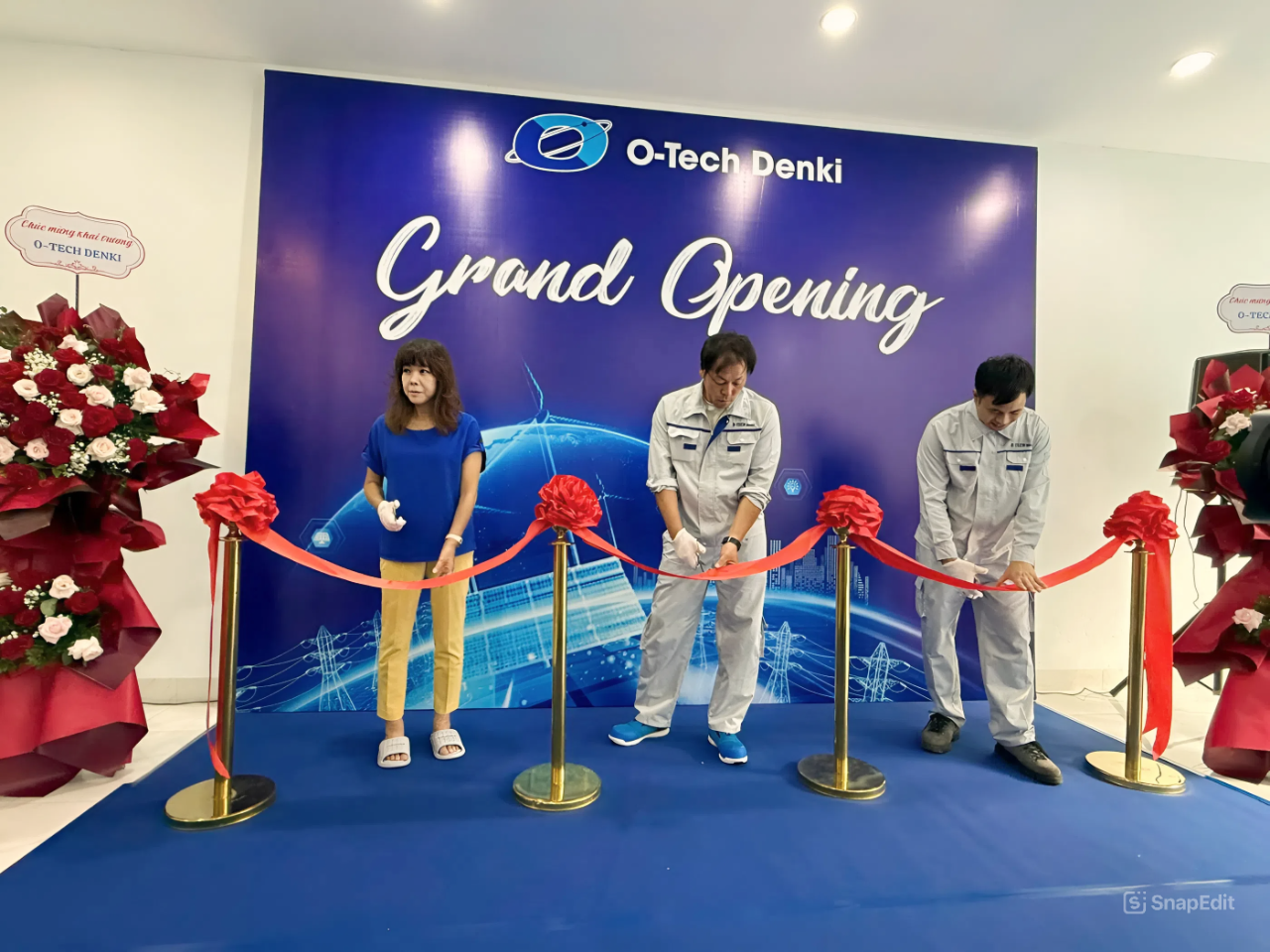
Accompanying O-TECH DENKI Co., Ltd. During the Opening Ceremony
New Wind would like to send the most sincere and warm congratulations to O-TECH DENKI Co., Ltd. on t...
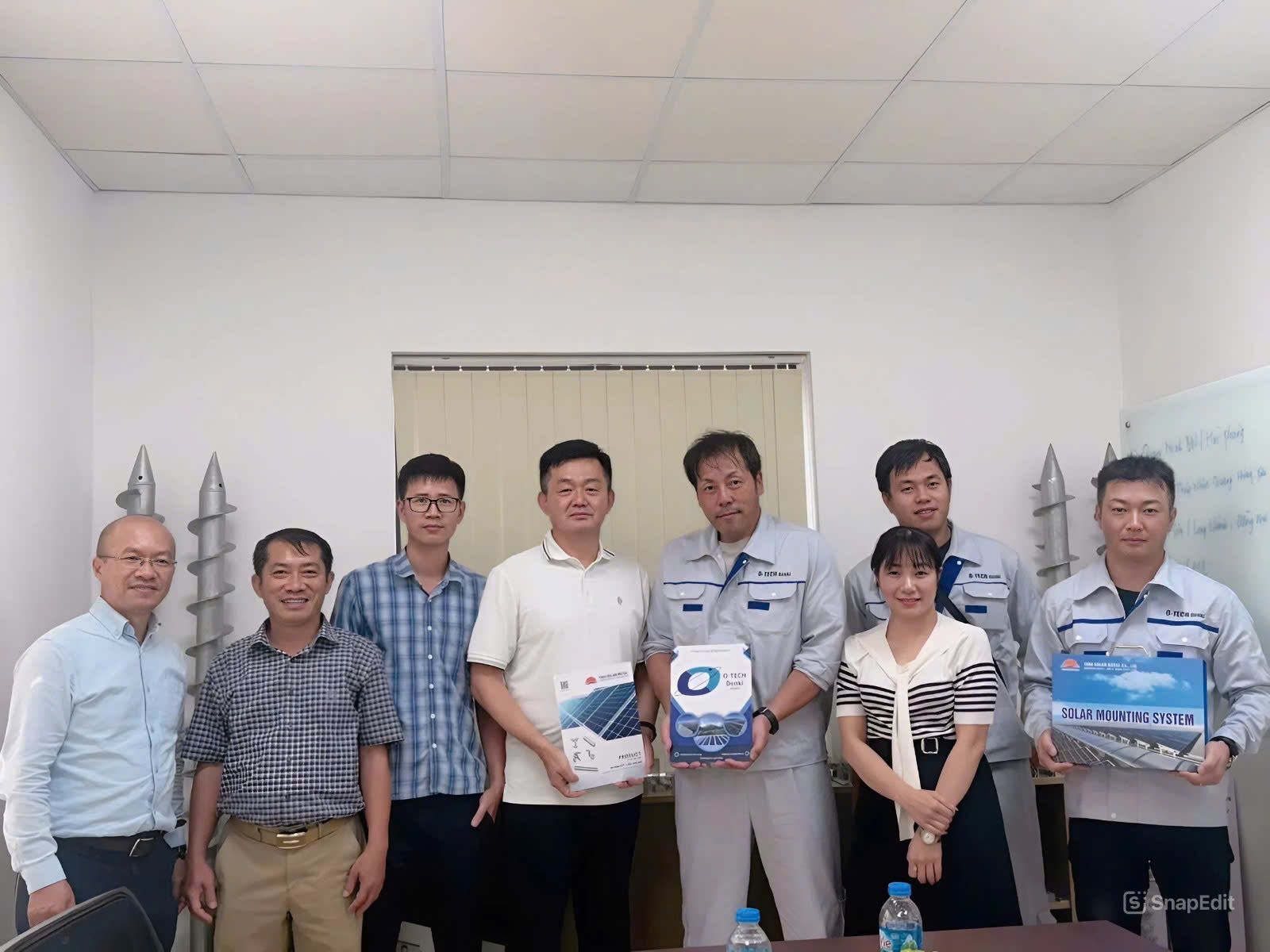
Connecting Partners - Stepping into Success
The meeting and discussion between New Wind and customers took place in a friendly and professional ...
 Facebook
 LINE
LINE
 Messenger
 Zalo
Zalo